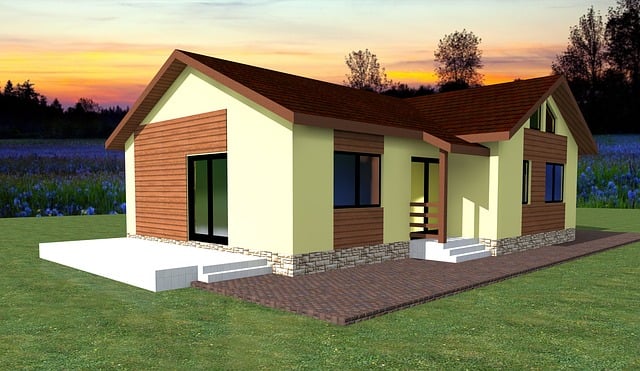
Real estate crowdfunding democratizes investment by enabling individuals to pool small amounts of capital online, supporting local economies and diverse project funding. It promotes community engagement, aligns investments with personal values, and fosters sustainable growth through tailored developments in bustling communities.
In today’s digital era, crowdfunding is transforming traditional investment landscapes, especially in real estate. This innovative approach democratizes access to previously exclusive opportunities, allowing individuals to become stakeholders in properties they might otherwise never afford. By leveraging online platforms, crowdfunding opens doors to diverse real estate projects, empowering folks to invest with relative ease and potentially reap substantial returns. This article explores these trends, focusing on how crowdfunding is reshaping the real estate investment landscape.
Democratizing Access to Real Estate Investments

Crowdfunding has democratized access to real estate investments, breaking down traditional barriers and enabling a broader range of individuals to participate in the market. In the past, investing in properties was largely limited to high-net-worth individuals or institutional investors, but crowdfunding platforms have changed this dynamic by aggregating small amounts of capital from numerous contributors. This shift has not only increased liquidity for property developers but also provided ordinary folks with an opportunity to own a piece of real estate, diversifying their investment portfolios and potentially generating substantial returns.
Through online campaigns, crowdfunding allows individuals to back specific projects, whether it’s a residential building, commercial space, or even renewable energy initiatives tied to properties. By offering equity or other rewards, these platforms foster a sense of community and involvement among investors. This democratization has the potential to stimulate local economies, as more people can contribute to and benefit from real estate developments within their communities, fostering sustainable growth and prosperity.
Crowdfunding: A New Door for Property Ownership

Crowdfunding has opened up a new door in the realm of real estate, providing opportunities for property ownership that were once largely inaccessible to individual investors. By leveraging online platforms and social networks, crowdfunding allows people from diverse backgrounds to pool their resources and collectively fund real estate projects. This democratization of investment has several benefits: it enables smaller investments, making property ownership more attainable; fosters community engagement by involving local residents in development projects; and provides developers with alternative funding sources, especially for unconventional or niche ideas.
In the world of real estate, crowdfunding is a game-changer, offering both investors and developers innovative ways to navigate the market. It’s not just about raising capital; it’s about building communities, supporting local economies, and fostering sustainable development. In today’s digital era, this new approach to property ownership is sure to revolutionize how we think about and invest in real estate.
Unlocking Opportunities: Crowdfunded Real Estate Projects

Crowdfunding has unlocked unprecedented opportunities in the real estate sector, democratizing access to investment and development. By leveraging online platforms, individuals with innovative property projects can secure funding from a diverse pool of contributors, transcending traditional barriers to entry. This innovative approach allows for a wider range of ideas to flourish, from sustainable housing initiatives to revitalized urban spaces.
Real estate crowdfunding enables investors to participate in projects they are passionate about and align their investments with personal values. It fosters community engagement by connecting developers, architects, and residents directly with potential backers. As a result, local neighborhoods benefit from tailored developments that reflect the unique character of the area, while contributors enjoy both financial returns and the satisfaction of contributing to their communities’ growth and transformation.